

Gas Fired Patio Heaters
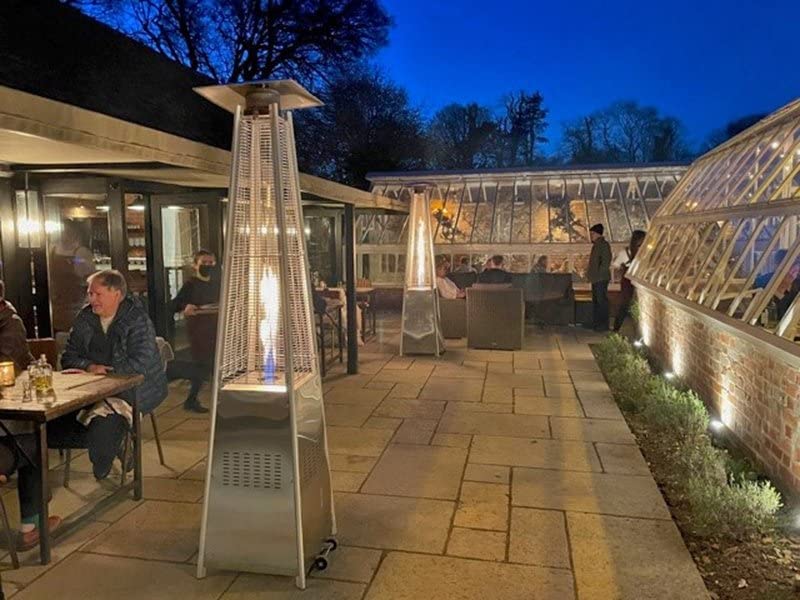
Gas-fired patio heaters are becoming increasingly popular for residential and commercial outdoor areas. Typically, these heaters are free-standing with an reflector shield or dome to direct radiating heat downwards.
They typically connect to a natural gas line which eliminates the necessity for propane tanks and reducing the running costs. They are less portable and more vulnerable to high winds than propane models.
Efficiency
Patio heaters are known for extending outdoor dining areas into the cold months, however they can also be an fire risk if used correctly. The Technical Standards & Safety Authority and the Ontario Association of Fire Chiefs warn that patio heaters can cause fires, carbon monoxide poisoning or even death if not set up, operated or maintained in a safe manner. propane gas patio heater is that there are a few easy steps you can take to reduce these dangers.
Make sure the heater's vents are checked first. Patio heaters that use natural gas or propane emit deadly carbon monoxide. You should never use these heaters indoors or in enclosed spaces. Do not store a tank of propane in a closed space. Propane tanks can only be used the time they are needed before they begin to begin to rust. Make sure that you have a cover for your propane tank, or that your heater is vented when not in use.
The efficiency of heat is also affected by the type of fuel used as well as the conditions in which it is used. These conditions are crucial, because windy weather can spread heat and lower temperatures require more energy to maintain warmth.
The design of the patio heater is crucial. This will affect its ability to heat and the power it produces. Freestanding models are less efficient than models mounted. Some models are equipped with reflectors that aid in concentrating heat and increase efficiency.
In the end, it's essential to test the power output of your patio heaters prior to you start using them. This will ensure that they can offer enough heat to your area, and also ensure that you won't be wasting energy or gas. For instance, you might require a higher amount of British Thermal Units (BTUs) when your patio is huge or you wish to warm up an outdoor gathering.
Gas patio heaters are a popular option for bars, restaurants and hotels. They can be powered by liquid propane or gas and connected to standard electrical outlets. These heaters are often more efficient than electric patio heaters in larger spaces because they can be controlled remotely or by an alarm clock. They also have a more attractive aesthetic than other types of commercial heaters, which makes them ideal for spaces that need to look elegant and modern.
Safety
When used at either at home or in outdoor dining areas of restaurants, gas-fired patio heaters are comfortable and can enhance the enjoyment of cooler climates. However, they should always be maintained properly and used to avoid injuries or fire dangers. Be sure that your heater is certified by the Canadian Standards Association or UL and comes with a safety system for flames that will shut off the gas in the event of a burner tipping.
It is also essential to read the instructions and warnings of the manufacturer especially those that pertain to fuel usage. It is also recommended to have an extinguisher for fire in case of any accidents that may occur. Also, you should have a bucket or bucket of water as well as a class C or B extinguisher based on what fuel type your heater is using.
Since gas patio heaters are typically free-standing, it's best to keep them just a few feet from combustible items like gazebos, walls of tents and tablecloths, as well as decorations and paper products. Also, ensure that they are not near an air intake or near an exit.
Additionally, because the heaters are typically placed at higher elevations to spread heat throughout an area, they could be top heavy and susceptible to falling over or tumbling. Consequently, it's best to secure them in some way using sandbags or water weights to support them.
To ensure your security, ensure that pets and children are kept a minimum of three feet away from any heater while they're operating to avoid burns. gas patio heater pyramid leave them unattended, or shut them off when you are not nearby. Use only natural gas heaters that have been approved by your local plumber and are in good shape.
Depending on the fuel source the gas patio heaters could also be affected by winds. A strong wind could blow the propane cylinder away or put out the fire if it's a model with the propane cylinder. Propane or natural gas models with an attached hose must be connected to an unreliable line and placed outside to minimize the risk of explosion or fire.
Comfort
Patio heaters are available in a variety of styles, and powered by various fuel sources. The right one for your home will depend on the size of the outdoor space you'd like to heat and the power source you have available and your preferences regarding appearance and control.
Gas-powered patio heaters are able to warm up an area with more heat than other kinds of heaters for patios. Thomas Bonfiglio is the CEO and founder at Triple T Hospitality. He states that this is among the many reasons that his restaurants in New York and New Jersey employ pyramid-top and dome-top patio heaters. "The high energy output of the heaters allows us to keep our customers cozy while they eat outside in the winter months," says Bonfiglio.
Another consideration is the energy efficiency of a gas-powered heater. A heater that has a higher BTU rating is likely to warm a space quicker and more efficiently than one with less of a BTU rating. A quick rule of thumb is to multiply the square footage of your outdoor space by 20 to determine the amount of BTUs needed to warm it.
In terms of energy sources, propane-powered heaters are the most common choice for homeowners. They are portable and utilize standard 20-pound tanks of propane (like those used for your grill), which can be purchased at most hardware stores. But propane-powered models generally draw more power, making them less green than other fuel options.
Electric-powered heaters, on the other hand, need a plug into a standard power outlet in order to operate. These heaters are also safer than propane-powered ones since they emit no harmful fumes, or burn like gas patio heaters. Electric patio heaters aren't as hot as other alternatives and are limited in the amount of heat they can produce.
The natural gas-powered heaters are the ideal choice for those who want to connect to their patio heaters an existing gas line. They require professional installation and could be more expensive to operate than other types of patio heaters. However, natural gas heaters offer the most consistent and fastest heat of any of the three options, which could help justify the extra expense.
Versatility
When it is about outdoor propane heating there are a lot of options. Whether you choose a free-standing patio heater, a firepit, or an overhead unit designed to look like a restaurant it is important to ensure you're adhering to basic safety rules. These rules can be difficult to master, particularly when you are dealing with a burning flame or hot ashes that can remain hot up to two days. With the right knowledge however, you can be sure you are using your propane patio heating system in a safe manner and to the best of its capabilities.
Gas patio heaters are a great way to heat large areas, covering up to 20 square meters. They can be operated on propane or natural gas and, depending on the model, can be switched on and off using a remote control or a timer. They require a minimum 25% of open space for airflow to prevent carbon monoxide build-up and causing fatality in the event of not being properly ventilated.
Gas patio heaters, aside from the need for ventilation they are typically very easy to manage and maintain. They can be installed in areas exposed to the elements or set into ceilings that are flat and are often equipped with an anti-tilt switch which shuts off the unit when it senses that it's no longer upright.
However the wood-burning patio heaters are more difficult to operate and can be dangerous if used properly. These heaters are difficult to use because they require constant fueling and the ash and smoke must be disposed of regularly in a secure area. They are also difficult to light and can cause sparks that could cause fire or injury.
Regardless of what type of patio heater you opt for, safety should be the top priority when it comes to use and maintenance. Keep a nearby fire extinguisher and remind your children to stay clear from heaters. Be aware of the temperature, and be aware of any smells that could suggest a leak. Both natural gas and propane contain mercaptan added to them in order to give off a foul smell if they leak.