

Natural Gas Patio Heaters
Natural gas patio heaters can boost your profits by allowing customers to stay warm outside even after the seasons change. They are easy to maintain and can last years.
Keep the heater in a safe place from any flammable materials and follow the manufacturer's instructions regarding testing, servicing, and lighting. A certified technician from the service department should fix any leaks.
Installation
In contrast to propane models, natural gas patio heaters are plugged directly to the natural gas line of your home, making them more stable than portable heaters. They heat up faster and can be installed in larger spaces because they can accommodate multiple pipes. They require a professional installation to ensure the correct sizing of the gas lines. Natural gas patio heaters cannot be refueled by extension hoses, therefore they're not as portable.
In addition to determining the lines for your outdoor heater, you'll need to determine the amount of BTUs (billion British thermal units) that you'll need to heat up the space. To figure this out, you can use an easy math equation: multiply the area of your outdoor space by the desired temperature increase. Divide the result by the maximum BTUs that your patio heater is capable of producing to determine the number of units you will need.
Patio heaters can be wall-mounted or freestanding. Freestanding models typically come with wheels for mobility and can accommodate a table or other surface beneath the burner head. The base is made from stainless steel, with an anti-corrosive finish that wards off corrosion and rust. The wall-mount model is an ideal choice for rooms with high ceilings, or are too big to use freestanding models. They can be installed up to 14 feet and come with a mounting set which includes a bracket as well as hose.
When installing a gas outdoor patio heater, you'll need to check for leaks regularly. A soapy water solution can be used to identify them, and you should be looking for signs of rust or burning. If you suspect a leak, you should have a plumber or qualified technician examine the heater and make repairs if necessary.
Aside from checking for leaks, consider whether your patio is in an area that has salt air or near the ocean. The metal parts of the heater will corrode more quickly in a sea environment. It is also recommended to install drain pans at the bottom of your gas line to minimize the accumulation of sediment that could affect heater performance and safety.
Safety
Many people make use of patio heaters to provide warmth and ambiance, but it's important to remember to take safety precautions. Set the heater in a location that is well ventilated, keep it away from pets and children, and inspect the heater frequently for signs of wear or damage. Natural gas or propane patio heaters should only be used outdoors, as they release harmful gases such as carbon monoxide when breathed in.
A propane-powered patio heater is powered by tanks for fuel that need to be replaced or filled from time to time. The tanks can be filled at most gas stations and convenience stores. It's important to store the tank in a safe manner when it's not in use since it's a fire hazard and should never be stored indoors or near other flammable objects. The propane tank should also be capped when not in use and the valve closed to prevent leaks.
Propane patio heaters can be unstable and can fall over if they are not placed on a stable surface. To minimize the chance of falling, put standing heaters on an even surface and then secure them with bungee cords or heat-resistant ties to prevent them from falling over. Standing heaters are also more likely to tip over if the wind blows, so they should be secured with weights to avoid this.
Some people prefer natural gas patio heaters that connects to a home's natural gas line and is less expensive to operate than propane. These are permanent systems, which require professional installation. They should be placed in well-ventilated outdoor spaces.
Some patio heaters heat nearby surfaces by using infrared rather than directly heating the air. This kind of heater is generally safer around kids and pets, because it doesn't release flames or fumes. However, they may not be effective in colder climates and aren't recommended for large areas. It's also important to install a carbon monoxide alarm close to patio heaters using infrared technologies. This will notify you of any harmful carbon monoxide emissions, and provide you a chance to extinguish the source before it turns into a fire or health hazard.
heater patio gas on patios should be inspected and cleaned regularly. It is important to check that the gas line doesn't have a blockage, and that all parts are functioning correctly. Also, make sure the propane tank does not have a full or empty level. This can cause the heater to function inefficiently and could be hazardous. The burner, orifices, and the pilot tube should be free of carbon deposits. All openings including the venturi for the burner, must be cleaned and free of dirt and spider webs. The stainless steel used on the patio heater will not "rust," but varying atmospheric conditions may create brown deposits that need to be rinsed off periodically.
Gas patio heaters are powerful and can quickly warm an extensive area, depending on the model. They are perfect for outdoor areas that are easily moved around, and are usually more expensive than electric heaters. They require a natural gas or propane fuel source and are best employed in areas with good ventilation.
Propane patio heaters are the most popular due to the fact that they are easily refillable and portable. They are ideal for gazebos, pergolas and other outdoor spaces that are covered. They are less expensive than the other two types of patio heaters but they produce gas and can be dangerous to fire if not properly maintained.
The gas hose or regulator is the part that connects the propane tank and the burner unit. It is important to replace the gas hose on a regular basis to avoid leaks and damage. Gas regulators must also be replaced approximately every 10 years, regardless of visible damage. This is particularly important when converting from one size of propane cylinder to another.
The flame of a propane patio heater won't stay lit. This is usually due to the thermocouple moving too far away from the pilot light. This is usually simple to fix. Take off the access panel and use pliers to gently squeeze both components closer.
Cleaning
Natural gas patio heaters burn cleanly and heat up quickly. They are highly mobile, and do not require a power source. They can be moved around your outdoor space. These characteristics make them an ideal choice for multifamily or commercial spaces.
The cleaning procedures associated with these types of heaters are easy. Ensure that your propane patio heater is off and is cool to the touch before beginning cleaning. This will help you avoid harming the heater. Remove the top cover, then remove the burner assembly. Utilize a cotton swab to rub alcohol on the venturis of the orifices, the burner, and other parts of the burner assembly. This will eliminate any dust or spider webs.
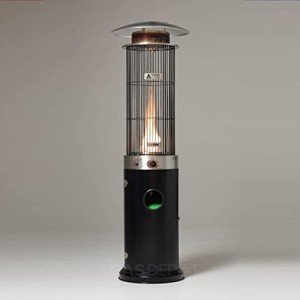
If you have painted the exterior of your natural gas heater, be sure not to paint the emitter grid or the lighting instructions. Also, do not paint the control knob or valve or the LP Cylinder. These surfaces should be cleaned using water and soap, or car wax at least once times per year. This will help to protect the finish and keep it looking fresh. This is especially important in areas with high traffic or in outdoor areas that is exposed to the elements.